Book a call ↗

Ten years.
One score
at a time.

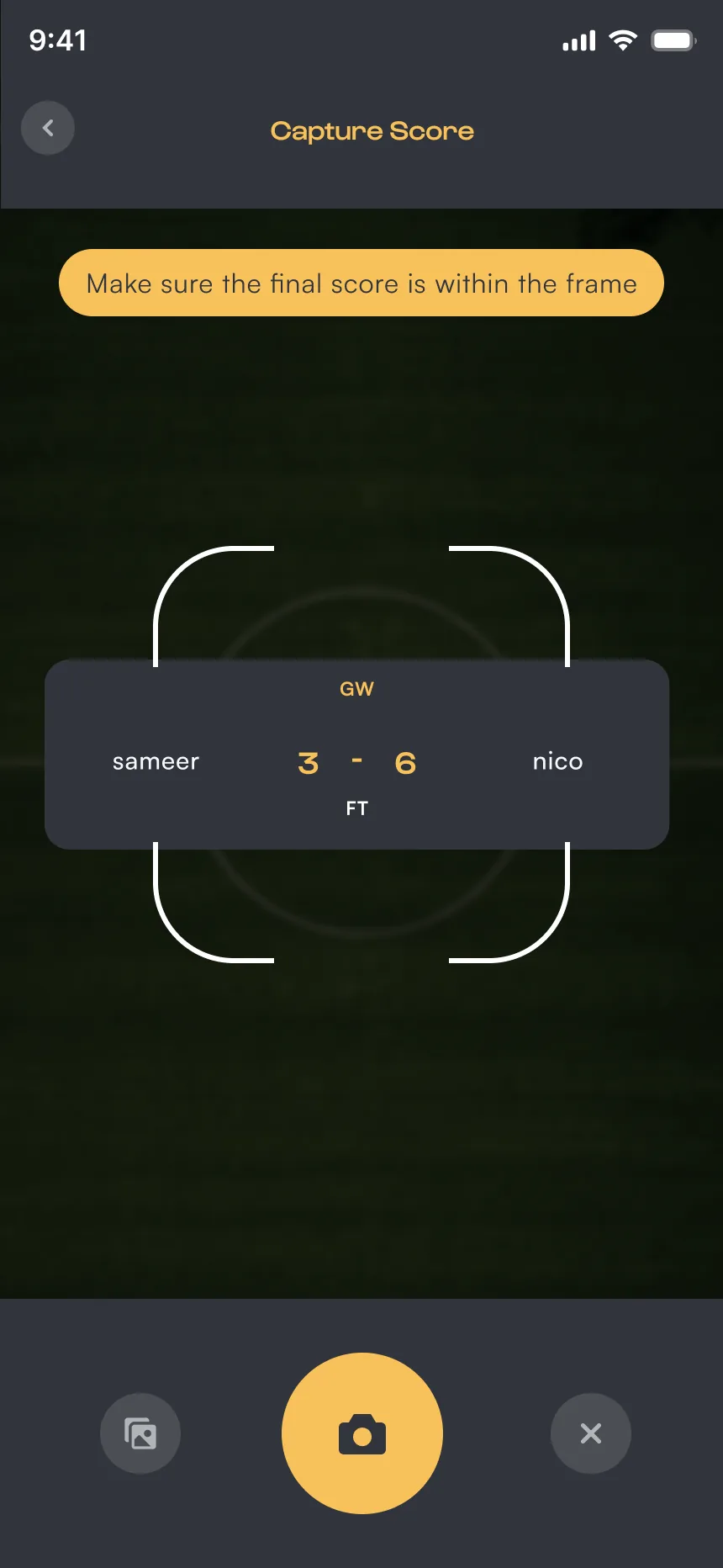
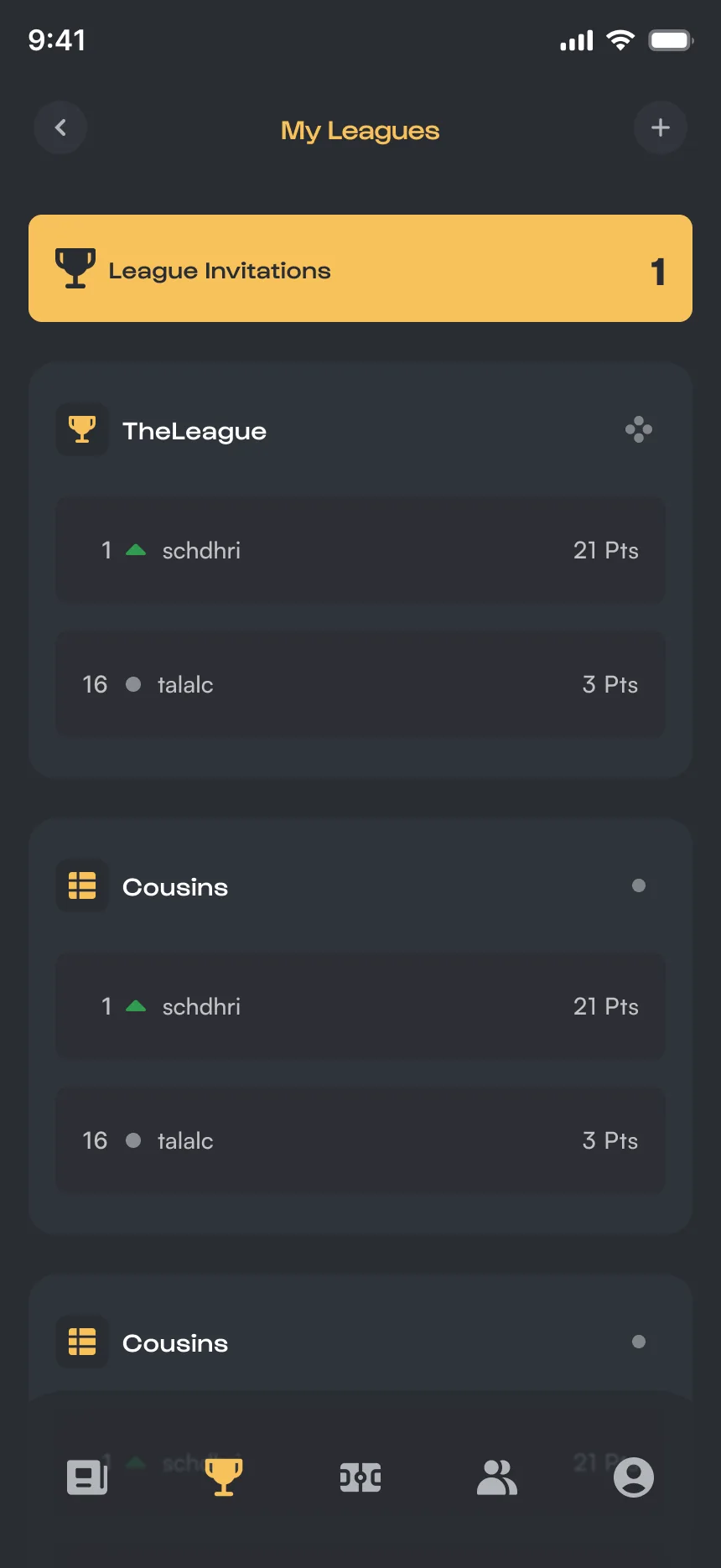
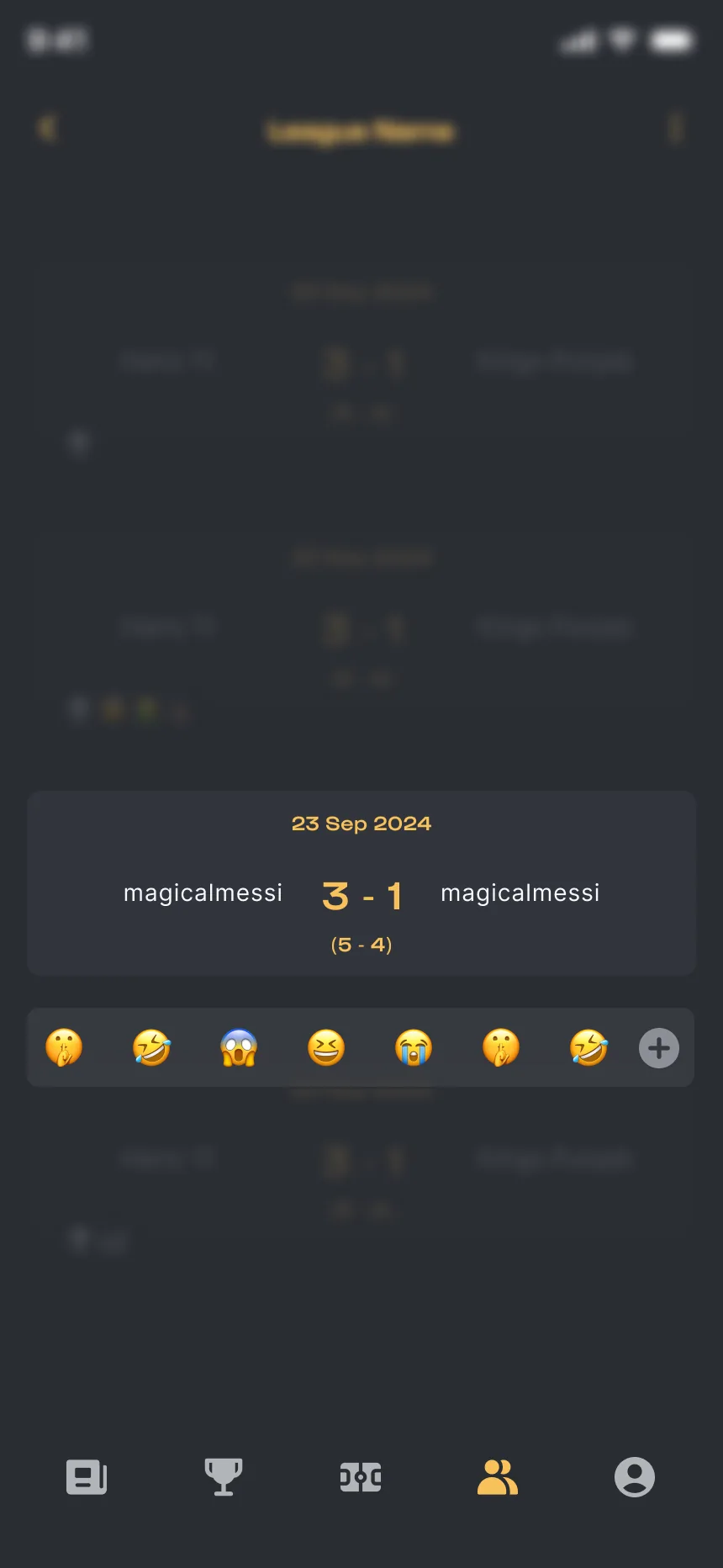
A social network for eFootball players built around a single constraint: you have to intentionally play with someone to record. The banter was always there. This gives it somewhere to live.

Consumer Product Social Dynamics Intentional UX Open Beta
Started ~10 years ago
Platform eFootball (EAFC)
Core mechanic Intentional play to record
Status Open beta

Five things I learned

Kickd
01

A competitor launching isn't the end. It might be the beginning.

When EA added the Kick Off feature — with full match stats, results history, head-to-head records — I thought Kickd was finished before it had properly started. They had the data layer I was trying to build, and they had it inside the game. But what they built was impersonal. It tracked data; it didn't preserve relationships. There was no social layer, no record of the years you'd been playing with someone, no way to talk around the results. The feature proved the need was real. What it couldn't do was give people the thing they actually wanted — a place where the score means something because of who you played.

02

Simplicity isn't a feature. It's a decision you have to keep making.

My litmus test for Kickd has always been the same: you should be able to enter the score in the time it takes for a match to reload. That's maybe fifteen seconds. Every feature idea gets tested against that — not as a technical constraint but as a design principle. Early on I was thinking about dispute resolution: what if a player contests the score, who arbitrates? The answer was to cut it. Not because it wasn't a real scenario, but because solving it properly would have made the core interaction worse for everyone, every time, to handle the edge case. Simplicity is an active choice, not a default. You have to keep choosing it when complexity makes a compelling case for itself.

03

Friction, placed deliberately, is a design decision — not a failure.

The defining mechanic of Kickd is that you can't record a match passively. Both players have to actively participate. You can't just log a win against someone — they have to be in the room, so to speak. That friction is intentional. It keeps the records honest, it keeps the relationships real, and it stops the product from becoming a leaderboard people game. Most product thinking treats friction as something to eliminate. Sometimes friction is the thing that makes an action meaningful. The score matters because it cost something to record it — even if that cost is just thirty seconds of mutual acknowledgement.

04

Starting and stopping for years isn't wasted time.

Kickd has been running in my head for a decade. There were periods where I was actively building, and periods where I barely touched it. For a long time I thought the gaps were a problem — a sign I wasn't committed enough, or that the idea wasn't strong enough to sustain momentum. What I've realised is that the gaps were when the product got simpler. Every time I came back to it, I cut something that felt essential before. The post-Covid version of Kickd is significantly leaner than any earlier version — not because I had less ambition, but because distance gave me the clarity to see what was actually necessary. Some things need time away from them to get right.

05

The hardest problem in a social product isn't building it. It's getting people in the room.

Kickd's core mechanic requires two people. That means the product has zero utility until there are at least two people using it — and those two people need to already have a relationship worth recording. This is the cold start problem in its most concentrated form. We're in open beta now, and the challenge isn't feature completeness. The product is good enough. The challenge is the moment before someone sends the link to their friend and says "try this with me." That moment — the first invitation — is the most important piece of design in the whole product, and it's mostly happened outside the app in WhatsApp messages and conversations. Understanding that has changed how I think about onboarding, about what the empty state says, about what the first thing someone sees should make them want to do.

Let's talk.

Got a project in mind? Book a 30-min call and we'll figure out if I can help.

Book a call ↗
Other project Kair — Air Quality System