Book a call ↗

Air quality,
designed for
neighbourhoods.

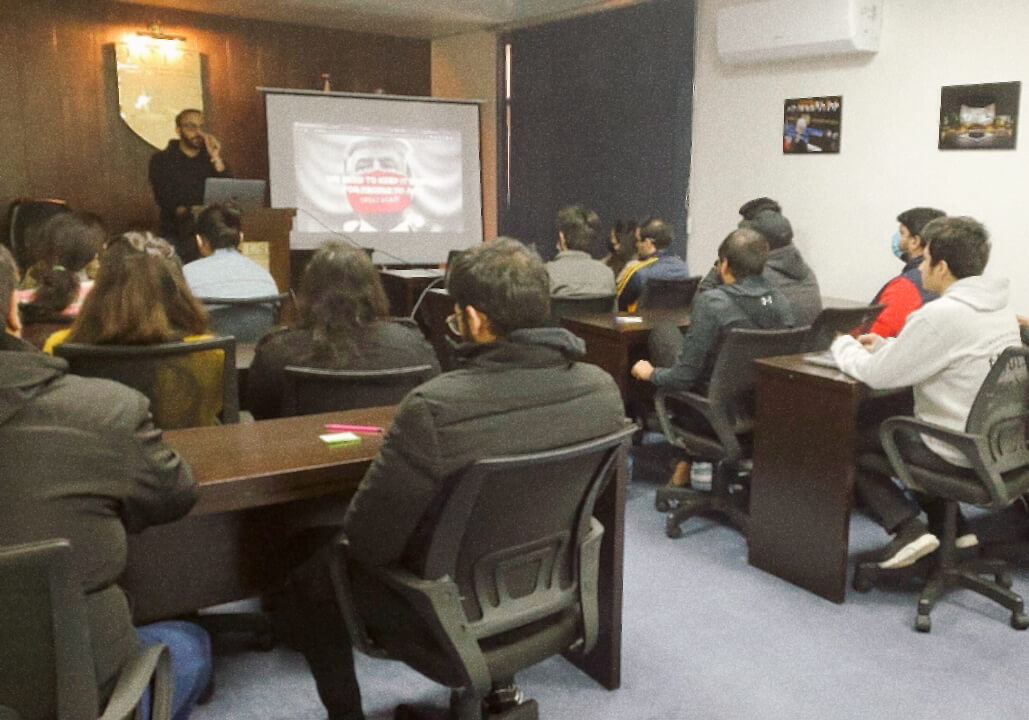
What started as a personal frustration training outdoors in Pakistan became a hardware and software system for helping communities keep a check on the air around them.

Systems Design Hardware + Software Community Health Ongoing
Started Lahore, Pakistan
Products Purifier · App · Sensor
For Families, young parents, diaspora
Status Closed beta in progress

Five things I learned

Kair
01

Awareness isn't enough. You have to build the thing.

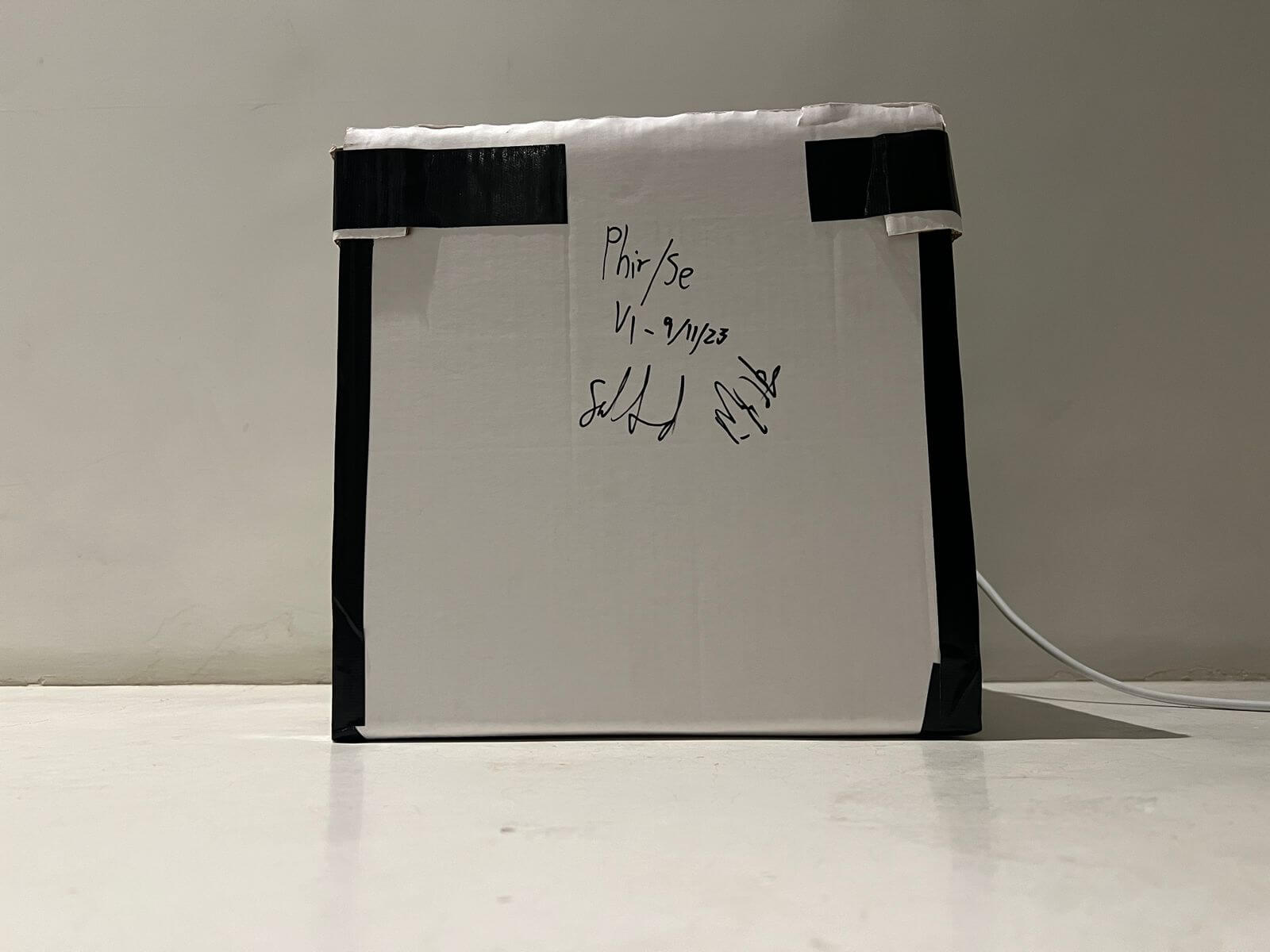
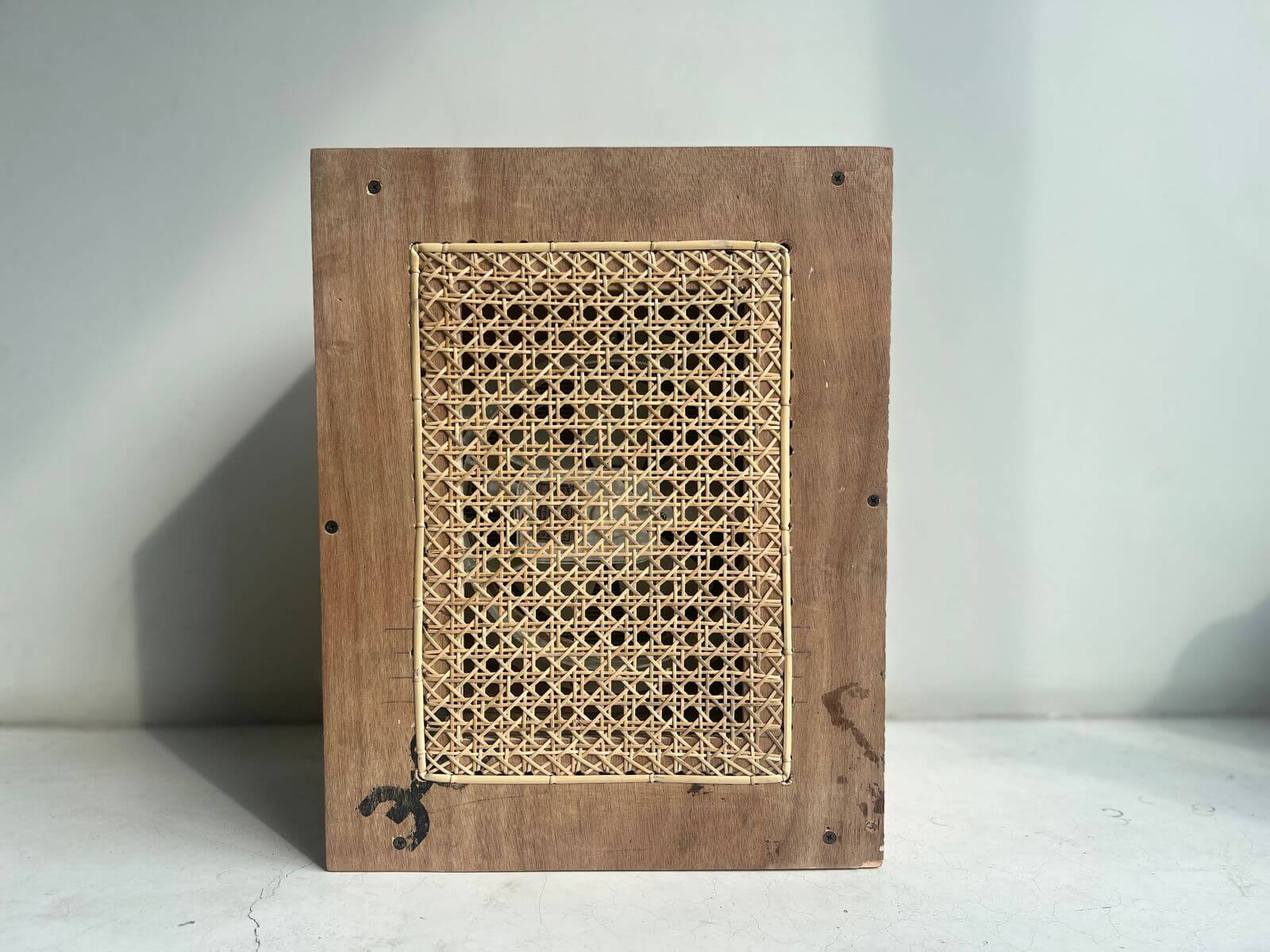
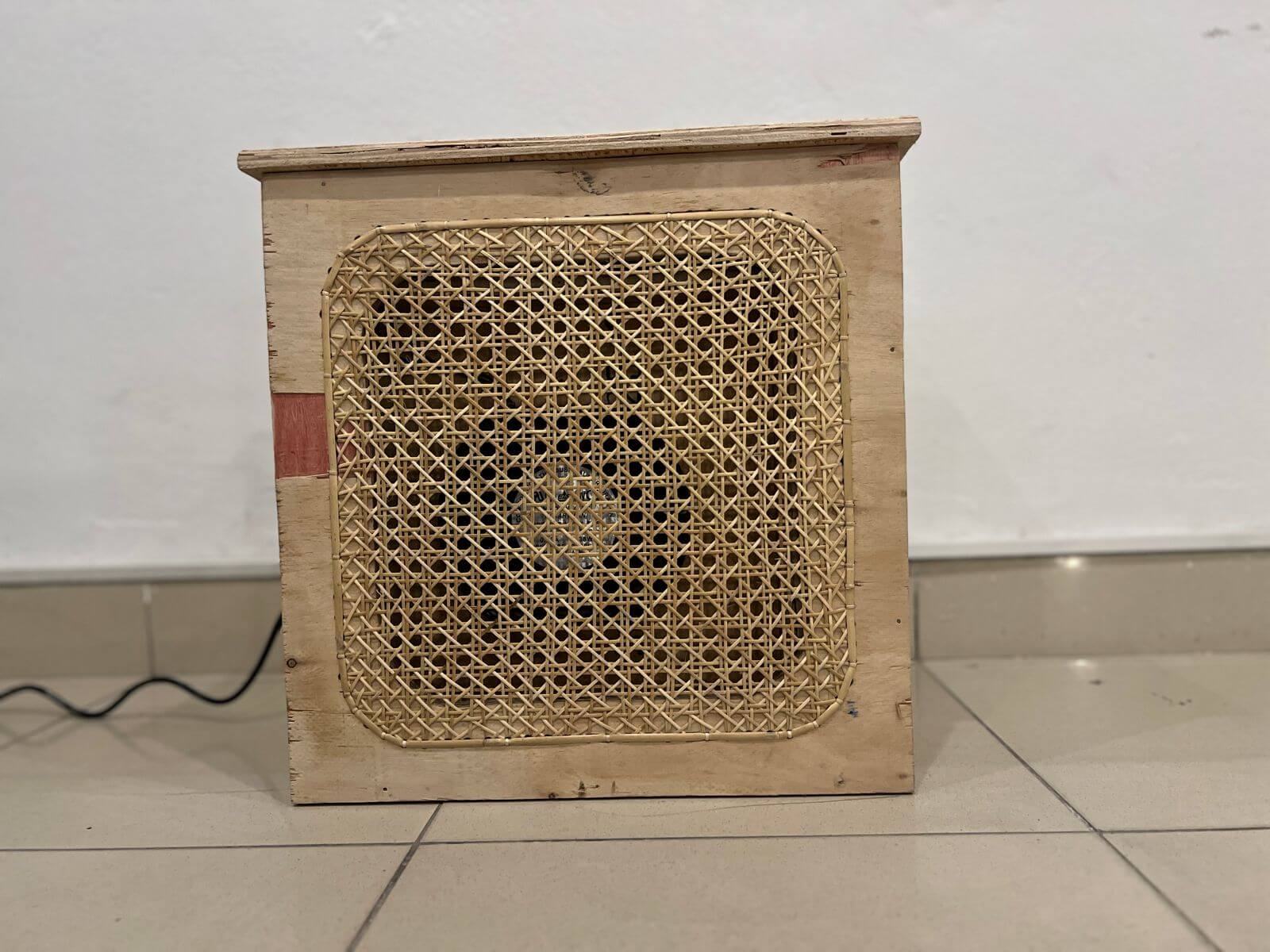
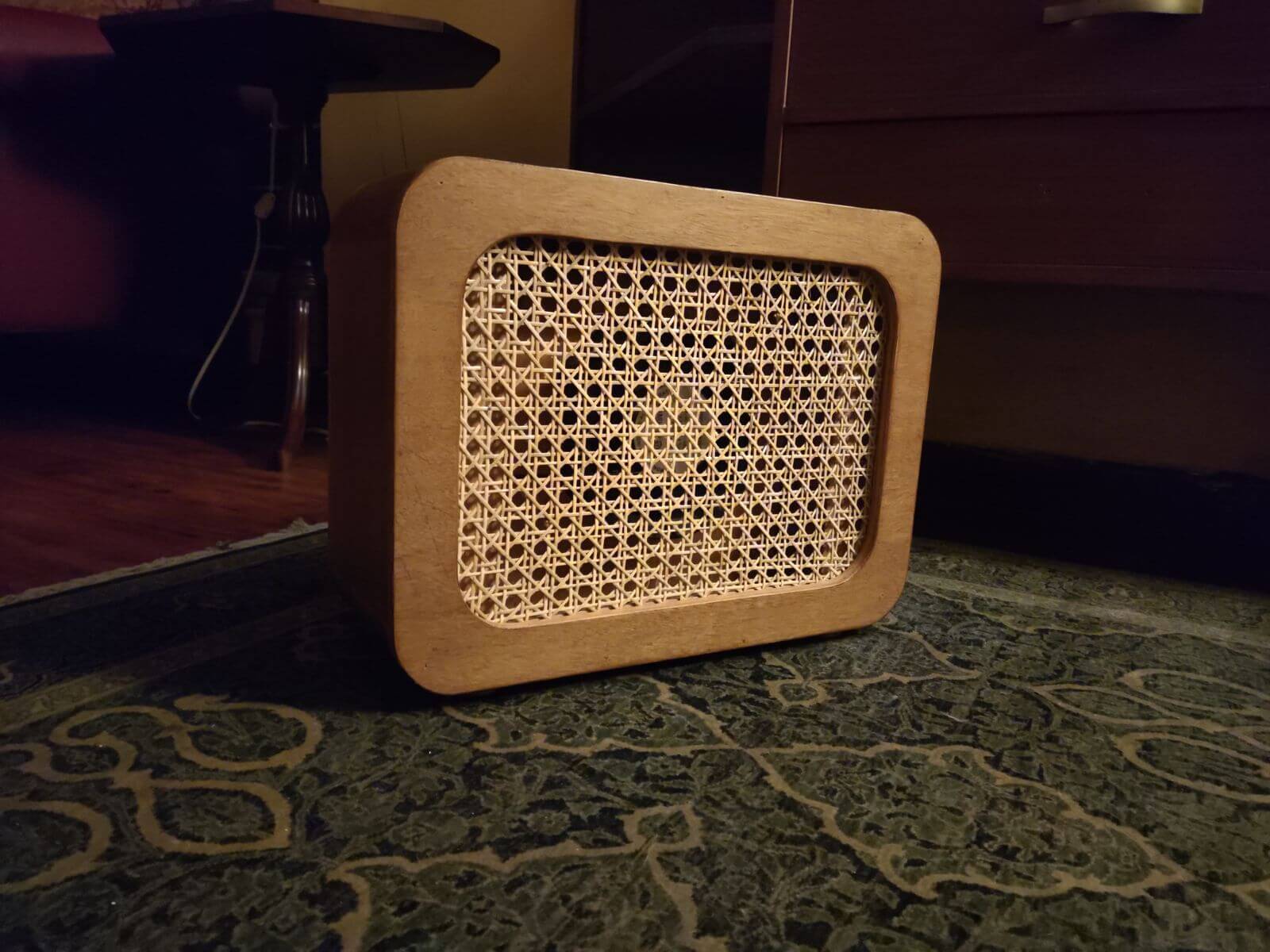
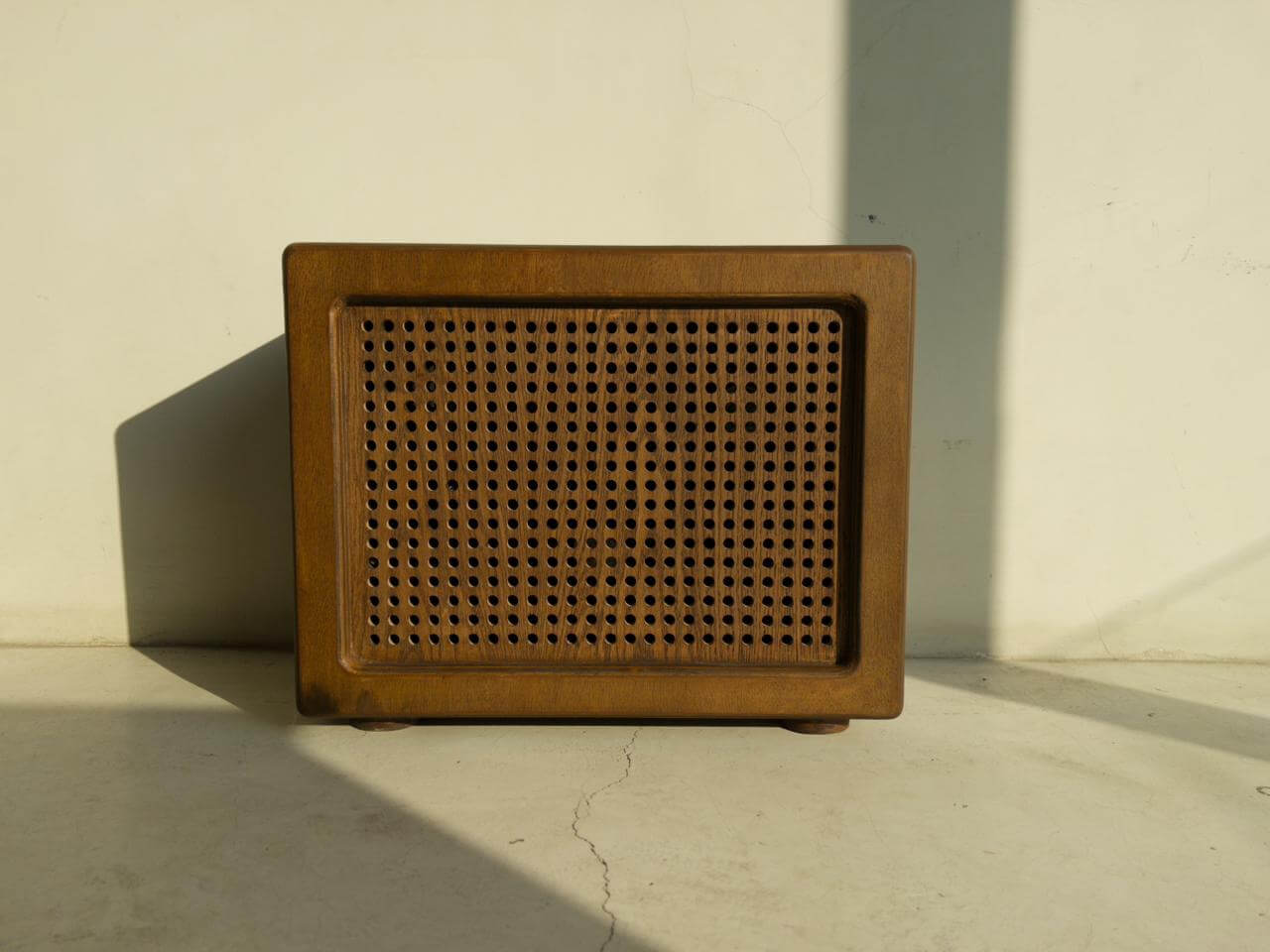
We started by trying to raise awareness about air quality in Pakistan. Campaigns, conversations, content. It didn't move fast enough, and it didn't give people anything to do with the information. The shift came when we stopped trying to change how people thought and started trying to change what they could do. That's when Kair became a product rather than a cause. The purifier gave people something concrete — something they could put in their home, switch on, and trust. Awareness is a starting point, not a destination.

02

The system grows out of the first object, not a plan.

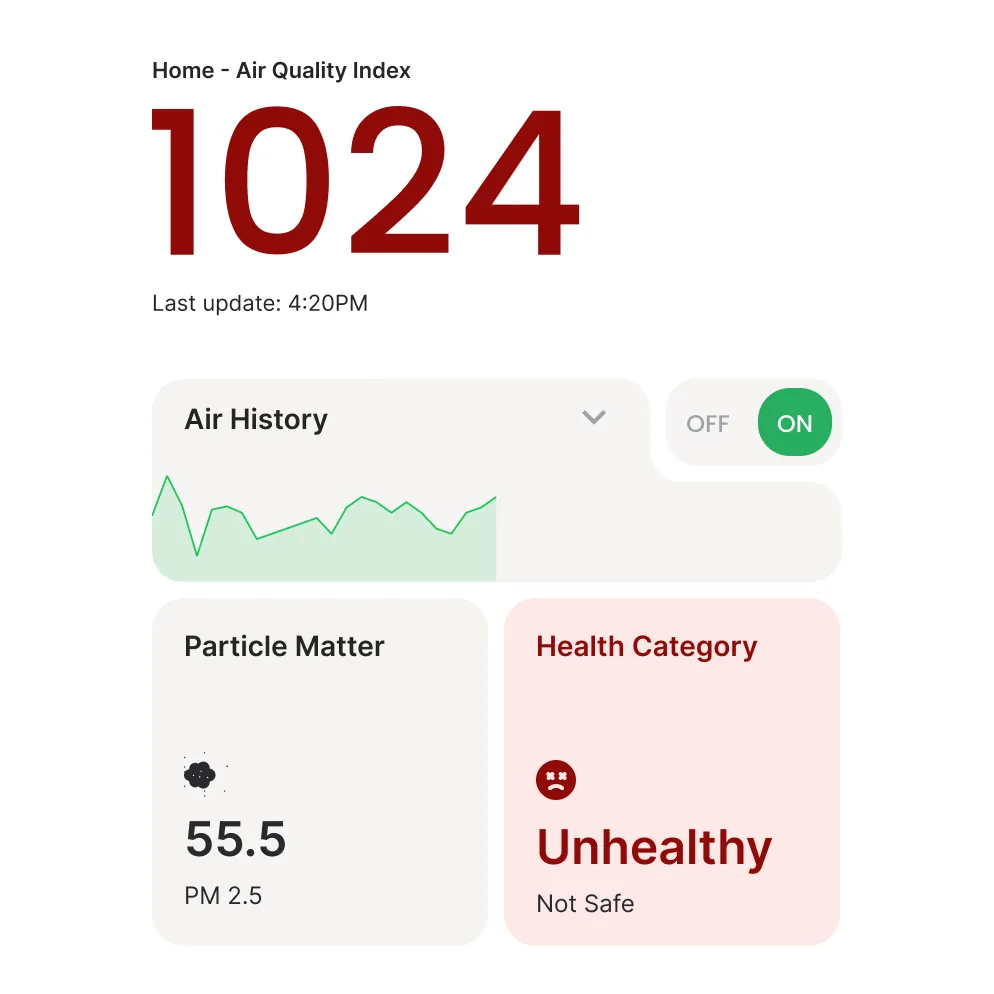
The purifier came first. The app and sensor came later, as natural extensions — things users needed once they had the hardware in their hands. We didn't design the full system upfront; we let the first product surface what was missing. The app was needed because people wanted to understand what the purifier was doing. The sensor came from wanting to know what the air was like before you needed the purifier. Each touchpoint emerged from a real gap, not a whiteboard session. If I'd tried to design all three simultaneously from the start, I think none of them would have been as focused.

03

Making a physical product exposes how dependent you are on things you can't control.

Sourcing hardware components in Pakistan is genuinely hard. A lot of what you need doesn't exist locally, which means outsourcing to China, longer lead times, and a dependency on global supply chains that are not stable. The design process for a physical product isn't just form and function — it's material availability, manufacturing tolerances, and logistics. We had to rethink the form factor multiple times, not because our design instincts changed, but because what we wanted to make and what we could actually make were different things. That gap forced better decisions. Constraints from the real world are more useful than constraints you invent for yourself.

04

The community is relational, not geographic.

When we talk about Kair being for communities, we don't mean postcodes. The real use cases are deeply relational: a parent who wants to know if the air in their child's room is safe, a son in London checking the readings at his parents' house in Lahore, a grandparent whose family bought them a device and checks in remotely. These aren't neighbours in a neighbourhood. They're people who care about each other across distance. That reframe changed how we thought about sharing, alerts, and what data actually needed to be surfaced in the app. The social layer isn't about connecting strangers — it's about giving families a shared language for something they previously couldn't see.

05

Iteration on hardware is expensive in time, not just money.

Software iteration is fast. You ship, you watch, you change. Hardware iteration is a different discipline entirely. A change to the form factor means new tooling, new sourcing, new testing cycles. The mental model I've had to build is one where design decisions carry more weight because reversing them costs months, not hours. That's made me a more careful designer — more rigorous about what I'm actually trying to solve before committing to a direction. It's also made me more comfortable with ambiguity. You can't know everything before you build in hardware. You make the best decision with what you have, document why, and stay ready to adapt when the world changes — because it always does.

Let's talk.

Got a project in mind? Book a 30-min call and we'll figure out if I can help.

Book a call ↗
Next project Kickd — eFootball Social Network